
Introduction
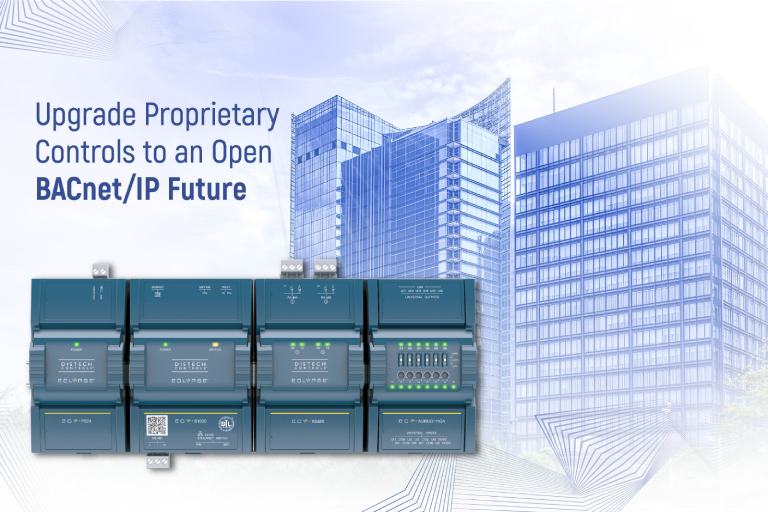
In the age of smart buildings and connected infrastructure, the technology that underpins your facility’s controls matters more than ever. For organisations seeking flexibility, sustainability and operational efficiency, being tied to proprietary systems can limit performance and increase long-term costs. At Messung BACD, as the Distributor for Distech Controls in India, we work with building owners and facility managers to shift from closed ecosystems to open standards. A strategic migration to an open BACnet/IP building management system unlocks new pathways for interoperability, choice and future readiness. In this blog, we explore how you can transition from vendor-lock to freedom, upgrade your controls and build with higher agility.
Understanding Proprietary vs Open Controls
Proprietary controls lock-in many buildings into a single vendor’s hardware, software and service contracts. These systems often require specialist knowledge, restrict equipment selection and can limit upgrades or integrations with IoT & IIoT open controls. In contrast, open BMS platforms built on BACnet/IP controllers and related standards offer vendor-neutrality, multi-manufacturer compatibility and broader service options. According to industry sources, one of the main advantages of open system architecture is that it avoids vendor lock-in and lowers integration costs. Open standards like BACnet allow devices from different manufacturers to communicate, giving building owners freedom to evolve over time.
Benefits of Migrating to an Open BACnet/IP BMS Platform
Making the move to an open BMS platform grounded in BACnet/IP unlocks a suite of benefits:
- Avoid vendor lock-in in building automation: With an open standard platform, you are not limited to one supplier’s ecosystem.
- Future-proofing and flexibility: Open standards allow integration of new modules or protocols, supporting expansions, IoT sensor networks and analytics platforms.
- Reduced lifecycle costs: Since you can choose from multiple vendors and service providers, competition drives costs down, and upgrades become more manageable.
- Better interoperability: An open platform supports multiple subsystems (HVAC, lighting, security) within a single ecosystem, enabling holistic management.
- Seamless IoT and EMS integration: Modern buildings leveraging EMS and BACnet/IP can collect, analyse and act on data to reduce energy, optimise operations and provide enhanced occupant experience.
In practical terms, an open system empowers you to procure BACnet controllers migration modules, retrofit BACnet VAV controllers or integrate IoT controller for BACnet/IP devices without being tied to a single brand. This shift supports long-term operational agility.
How to Plan the Migration
A successful migration from proprietary controls to an open protocols-based platform requires clear planning:
- Define your scope and objectives: Determine which systems (HVAC, lighting, VAV, security) will migrate and what you hope to achieve (better interoperability, vendor choice, IoT integration, cost savings).
- Audit your existing system: Document all controllers, networks, protocols, software licences and service contracts. Identify where you are locked in and what must change.
- Budget and resources: Account for hardware changes, software updates, commissioning, training and downtime. While a migration to an open system may initially cost more than incremental upgrades, the long-term savings justify the investment.
- Select your platform and architecture: Choose a BMS that supports open BACnet/IP, multi-protocol support, IoT compatibility and offers scalable architecture. Consider building management system modernisation as part of the project.
- Plan your migration path: Phase the migration so that critical systems remain operational while new controls are rolled out. You may run legacy and open systems in parallel before full cutover.
Key Components of the Open BACnet/IP BMS Platform
When migrating, the core components of the new system deserve careful selection:
- BACnet/IP controllers and gateways: Ensure devices support BACnet/IP communication with full object libraries and certification for interoperability.
- Multi-protocol compatibility: Devices should support not just BACnet/IP but perhaps Modbus, BACnet MS/TP and IoT protocols to ease integration during migration.
- Open platform BMS software: A user interface that allows integration across subsystems and supports analytics, trend logging, alarms, EMS dashboards and IoT connectivity.
- IoT/EMS integration: Enable connectivity to cloud platforms, energy management systems and predictive analytics tools so your building goes beyond simple control to insight-driven operations.
- Network architecture: Use proven IT best practices for the building automation network-segmentation, secure VLANs, robust switches and gateways to support BACnet/IP building management system networking at scale.
These components ensure your migration from proprietary controls lock-in to open standards is robust, scalable and future-ready.
Migration Execution
Once architecture is settled, the execution phase begins:
- Replace proprietary controllers with open BACnet/IP controllers migration units.
- Retrofit VAV and zone controllers with BACnet VAV controller retrofit kits where needed.
- Connect the new controllers to your building’s open BMS platform and ensure proper BACnet object mapping, addressing and commissioning.
- Migrate your EMS data feed so that energy usage, alarms and analytics are captured seamlessly by the new system.
- Test legacy and new systems side-by-side to ensure continuity before full switch-over.
- Conduct commissioning, train operators on the open platform and document new workflows and interfaces.
A structured execution avoids downtime, ensures continuity and enables you to realise the benefits of your open-platform investment swiftly.
Real-World Outcomes
Buildings that migrate to open BACnet/IP architectures often achieve measurable improvements:
- Reduced operational cost through competitive hardware procurement, vendor flexibility and lower ongoing service fees.
- Enhanced system agility allowing integration of new IoT sensors, advanced analytics and predictive control.
- Improved occupant comfort and building performance as HVAC, lighting and other systems work in concert under one umbrella.
- Easier scalability when expanding, upgrading or re-purposing building zones.
Case studies commonly report reductions in energy consumption, shorter payback periods and lower total cost of ownership compared to closed systems.
Challenges & How to Overcome Them
Migrating to an open platform is not without its challenges:
- Legacy system compatibility: Older proprietary controllers may not support open protocols. Solution: Use gateways or a phased upgrade strategy.
- Integration complexity: Building automation can be complex when integrating many systems. A clear migration roadmap and vendor expertise mitigate this risk.
- Staff training and change management: Operational teams must learn new tools, interfaces and workflows. Plan training and documentation.
- Cybersecurity risk: Open platforms expose networks more widely. Secure your BACnet/IP network with segmentation, firewalls and regular audits.
By anticipating these hurdles and embedding mitigation strategies, your migration to an open BMS platform becomes smoother and more effective.
Conclusion
Avoiding vendor lock-in, embracing open standards and planning a strategic migration to an open BACnet/IP building management system is a forward-thinking move for any organisation serious about smart building operations. With the right strategy, understanding proprietary controls lock-in, preparing for migration, selecting the right open platform and executing with precision, you unlock freedom, flexibility and resilience.
At Messung BACD, our open BACnet solution is designed to support your transition, empower your choice of hardware and service partners and lay the foundation for long-term performance. Switching out of closed systems is not just a technical upgrade, it’s an investment in your building’s future. Move to an open ecosystem today and embrace a smarter, more flexible tomorrow.